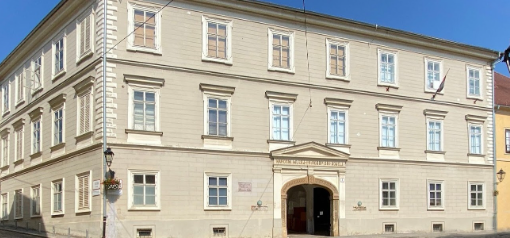
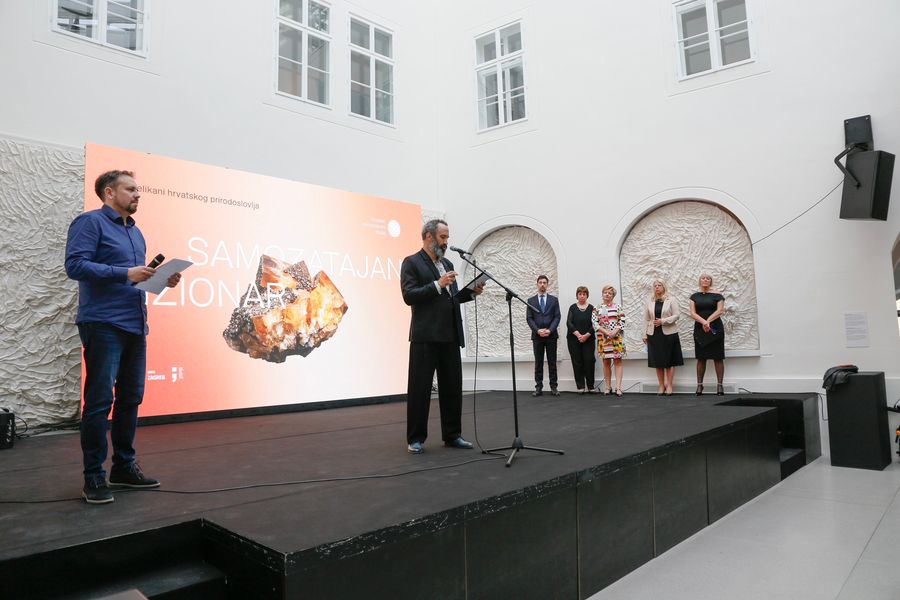
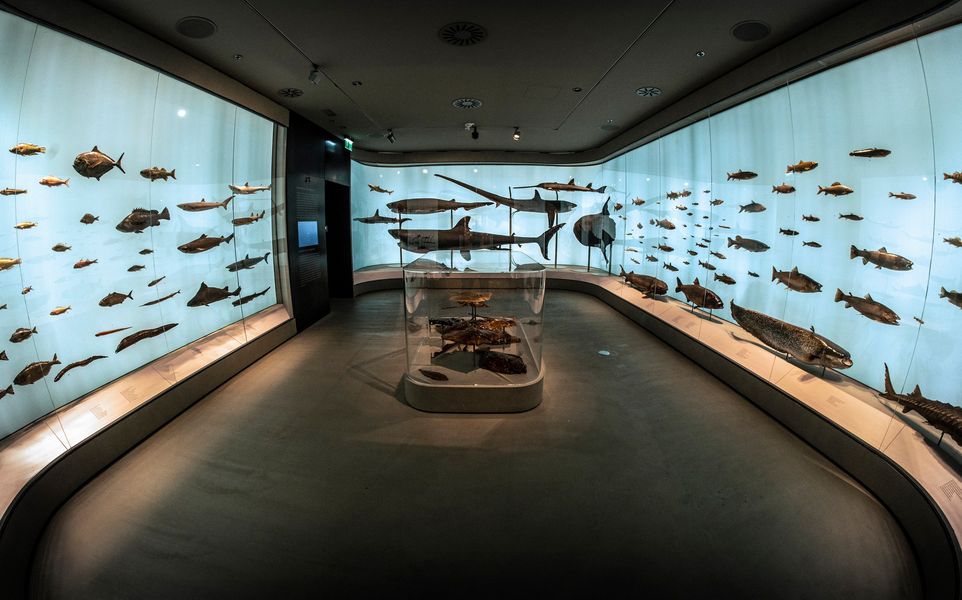
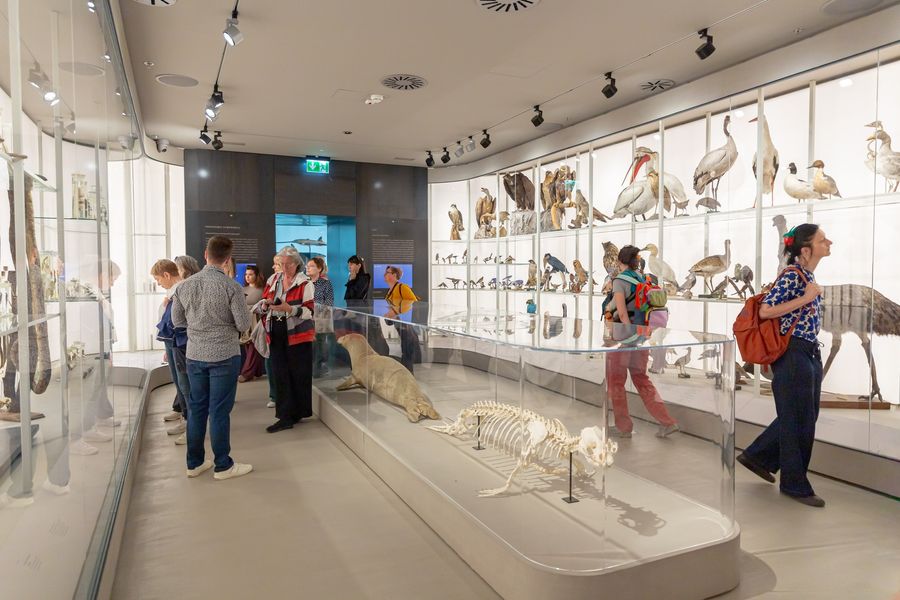
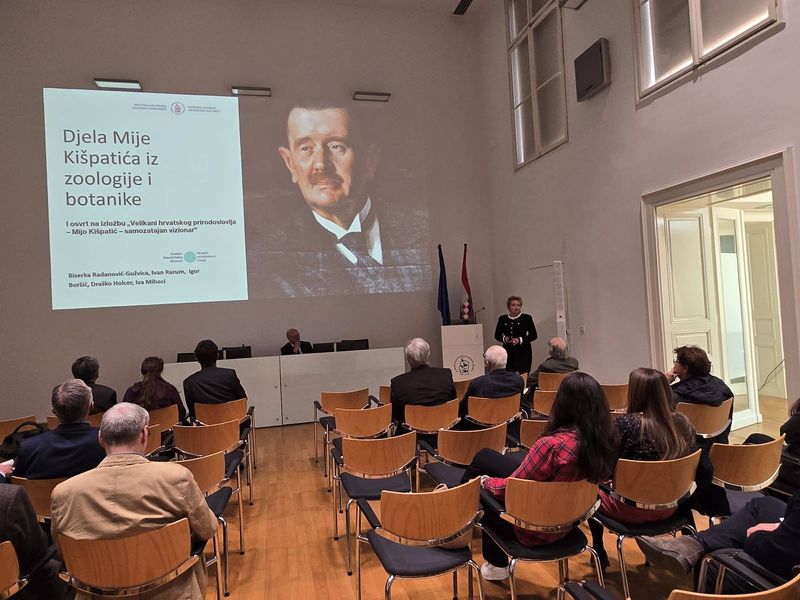
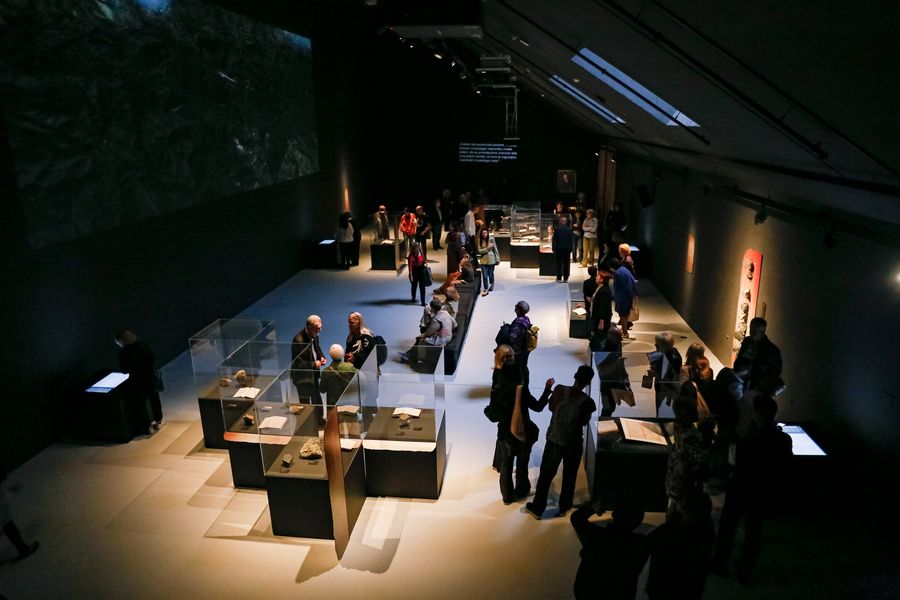
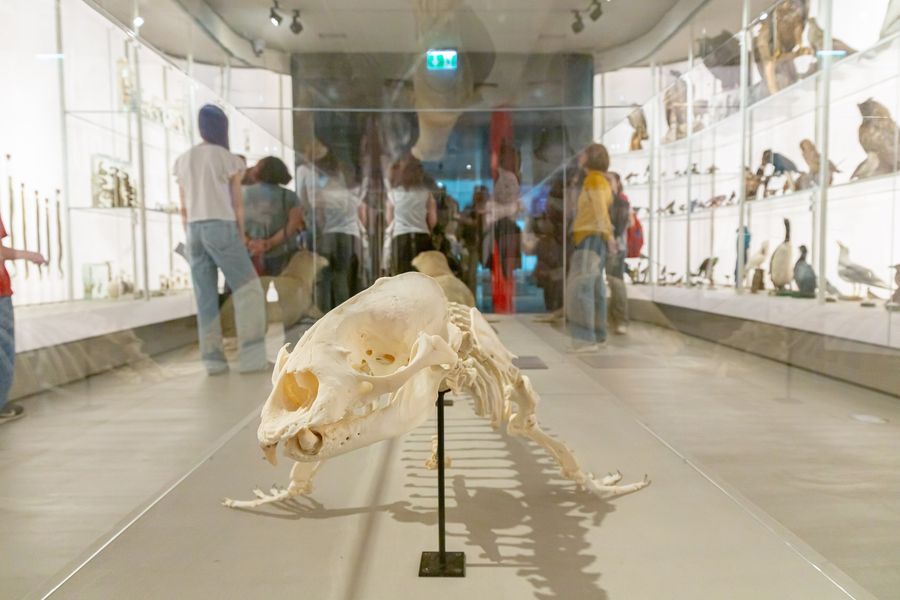
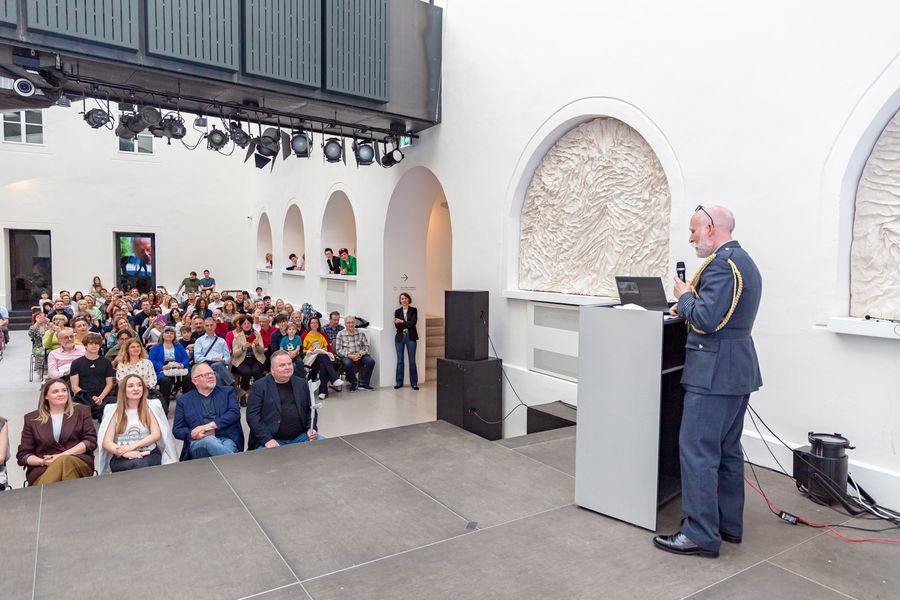
The Croatian Natural History Museum is one of the largest and most significant museums in Croatia, located in a historic palace in Zagreb’s Upper Town. The origins of its natural history collections date back to the Croatian National Revival period and the establishment of the National Museum in 1846. Over the decades, the collections expanded through the work of prominent natural scientists and museum experts such as Spiridion Brusina, Gjuro Pilar, and Dragutin Gorjanović-Kramberger. Today, the museum preserves more than two million specimens of minerals, rocks, fossils, plants, and animals from Croatia and other parts of the world. Among its most important collections are fossil collections and the Krapina Neanderthal collection, recognized for its exceptional scientific and cultural value. The museum operates through several specialized departments, including zoological, botanical, geological-paleontological, and mineralogical-petrographic divisions. In addition to preserving and researching natural heritage, the museum plays an important role in education, science, and presenting natural history to the public.