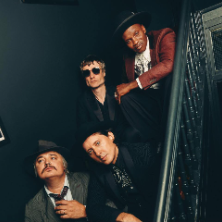
Formed in London in 1997, The Libertines became icons of Britain’s indie rock revival in the early 2000s. Fronted by songwriting duo Carl Barât and Pete Doherty on vocals and guitar, the band also includes John Hassall on bass and Gary Powell on drums. Their name, inspired by the Marquis de Sade, echoed a sense of raw rebellion and literary edge.
Their debut record Up the Bracket (2002), produced by Mick Jones of The Clash, made a powerful impact with its gritty post-punk and garage-rock intensity. Featuring spirited tracks like "What a Waster" and "Time for Heroes," the album reignited a guitar-driven wave in the British underground and became a staple in indie music journalism.
Their self-titled sophomore album The Libertines (2004) soared to number one in the UK, cementing their cultural influence. However, internal tension—largely driven by Doherty’s struggles with addiction—led to the group’s end later that year.
After a hiatus, band members pursued solo projects, with Doherty leading Babyshambles and Barât spearheading Dirty Pretty Things. The Libertines reunited in 2010 and eventually released their third studio album, Anthems for Doomed Youth (2015), a work rich in literary references and buoyed by positive reception and touring.
In 2024, they delivered a forceful comeback with their fourth album, All Quiet on the Eastern Esplanade, recorded at their own Margate studio under a sense of concord and creative clarity. The album debuted at number one in the UK, was followed by a vibrant sold-out tour, memorable performances at Glastonbury, and massive shows in venues like Gunnersbury Park.
Their legacy remains potent—The Libertines’ blend of poetic bravado, youthful chaos, and enduring artistry continues to resonate, proving that heartfelt music can rise powerfully from the ashes of its own tumult.