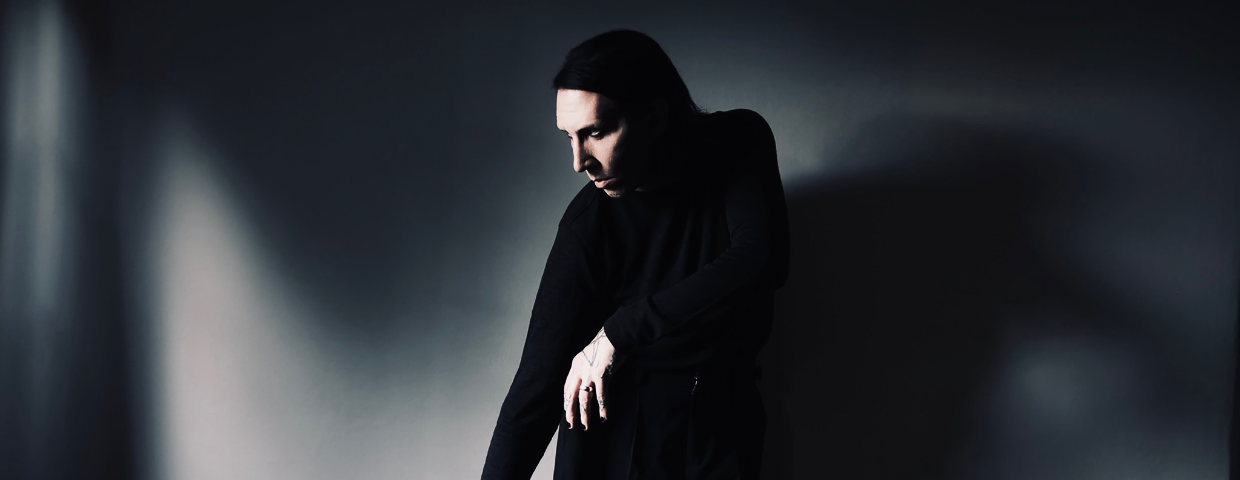
Marilyn Manson — born Brian Hugh Warner on January 5, 1969, in Canton, Ohio — emerged as one of the most provocative and enduring figures in alternative rock and metal. His stage name, merging cultural icons Marilyn Monroe and criminal infamy Charles Manson, epitomizes his blend of beauty, darkness, and subversion. From the late 1980s onward he led a band defined by shock rock aesthetics, theatrical imagery, and a sound that challenged genre conventions.
After the release of their debut album “Portrait of an American Family,” the band achieved worldwide fame with the landmark 1996 LP “Antichrist Superstar.” Songs like “The Beautiful People” fused industrial metal riffs with aggressive energy and dark social commentary, launching Manson into stardom. Albums such as “Mechanical Animals,” “Holy Wood,” and “The Golden Age of Grotesque” solidified their reputation as boundary-pushing and genre-defying.
Marilyn Manson’s live performances became legendary for their theatrical intensity — blending performance art, visual provocation and raw musical power. For many fans, his shows weren’t just concerts but immersive experiences challenging norms and comfort zones.
Beyond music, Manson has explored film roles, visual art, and other creative outlets — always retaining his controversial edge. Love him or loathe him, Marilyn Manson remains a defining example of an artist who uses shock, style, and sound to provoke thought, confront taboos, and reshape what rock can be.